
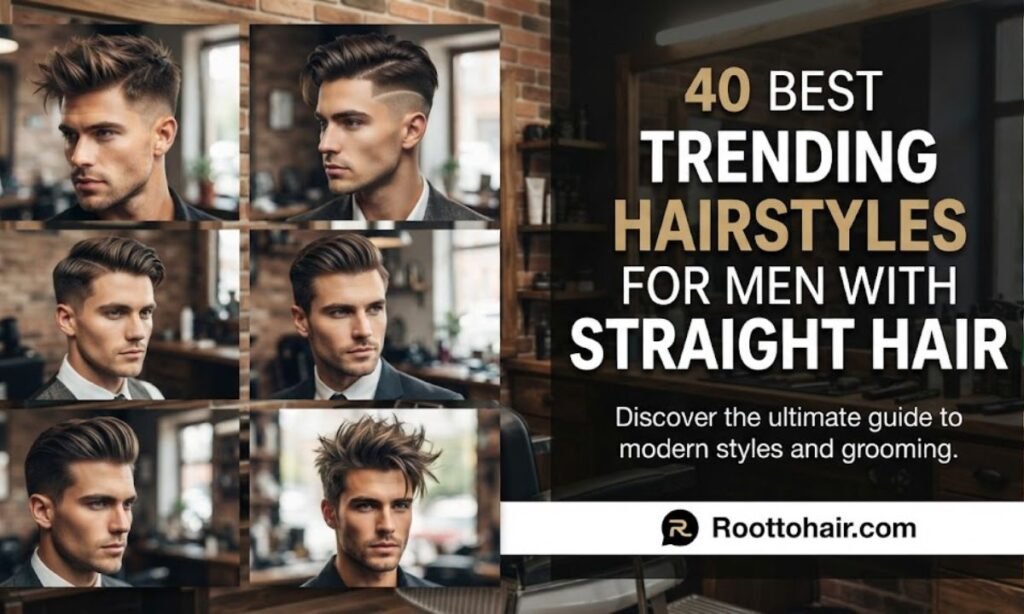
Straight hair is one of the easiest hair types to manage. It grows in one clean direction with no curl or wave to fight. That makes styling faster and results more predictable every single day.
Choosing the right haircut still matters a lot. The best cuts for straight hair depend on your face shape and lifestyle. This guide covers styles that actually work with straight hair, not against it.
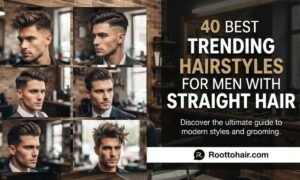
Trends change, but straight hair stays flexible through all of them. From classic cuts to modern fades, straight hair adapts well to most looks. You will find 40 trending options here to match your style.
How to Match a Haircut to Your Face Shape
Round faces benefit from added height on top and shorter sides, since this creates length and breaks up the curve of the cheeks. Square and rectangular faces can handle sharper, boxier cuts like a crew cut or textured crop that echo strong jawlines instead of fighting them. Oval faces are the most flexible, so most Straight Hair styles on this list, from a buzz cut to a long flow, will suit that shape well.
Short Hairstyles for Straight Hair (1–3 Inches)
Short cuts sit close to the head, which means Straight Hair stays put without gel or paste doing all the work. These lengths suit warmer climates, active routines, and anyone who wants a wash-and-go morning without a mirror check. Straight Hair keeps its line cleanly at this length, so fades, tapers, and part lines all look crisp for weeks after a cut.
1. Buzz Cut

A uniform, all-over length with a single clipper guard and no parting, taper, or fade to maintain. The sides and top are cut to the same number, which keeps the whole head even from every angle.
Style Snapshot: A clean, no-nonsense look with the same short length everywhere.
Perfect Match: Great for oval and square faces, and for men who want zero morning styling time.
What to Ask For: Ask your barber for a number 2 or 3 guard, all one length, no fade.
Styling Level: Easy — there is no product or comb work required at all.
Care & Styling: Wash normally and trim every 2 to 3 weeks to keep the length consistent.
Best Tip: Go one guard size shorter in summer since Straight Hair shows sweat less at a tighter length.
2. Burr Cut with Line Up

Shorter than a standard buzz, this cut uses a lower guard number and adds a sharp, straight-edged hairline at the front. The line up frames the forehead cleanly, giving an otherwise plain buzz a defined, barbershop-fresh finish.
Style Snapshot: An ultra-short cut with a crisp, razor-sharp hairline.
Perfect Match: Works well on men with strong hairlines and those who like a sharper, more deliberate look than a plain buzz.
What to Ask For: Request a number 1 guard with a straight-line edge-up at the front hairline.
Styling Level: Easy — no styling needed, just occasional edge-up touch-ups.
Care & Styling: Get the line refreshed every 1 to 2 weeks since it grows out faster than the rest of the cut.
Best Tip: Keep a small edge trimmer at home to maintain the line between barber visits.
3. Crew Cut

Slightly longer on top than a buzz cut, with the top left long enough to comb forward or push up for texture. The sides taper down short, giving a classic, tidy shape that reads as neat in almost any setting.
Style Snapshot: A tidy, slightly grown-out buzz with more definition on top.
Perfect Match: Suits office environments and men who want structure without much length to manage.
What to Ask For: Ask for a number 3 or 4 on top, tapered down to a number 1 on the sides. Styling Level: Easy — a small amount of light pomade is optional, not required.
Care & Styling: Trim every 3 weeks to stop the top from getting too long and losing its shape. Best Tip: Run a bit of matte paste through damp hair for texture without shine.
4. Textured French Crop
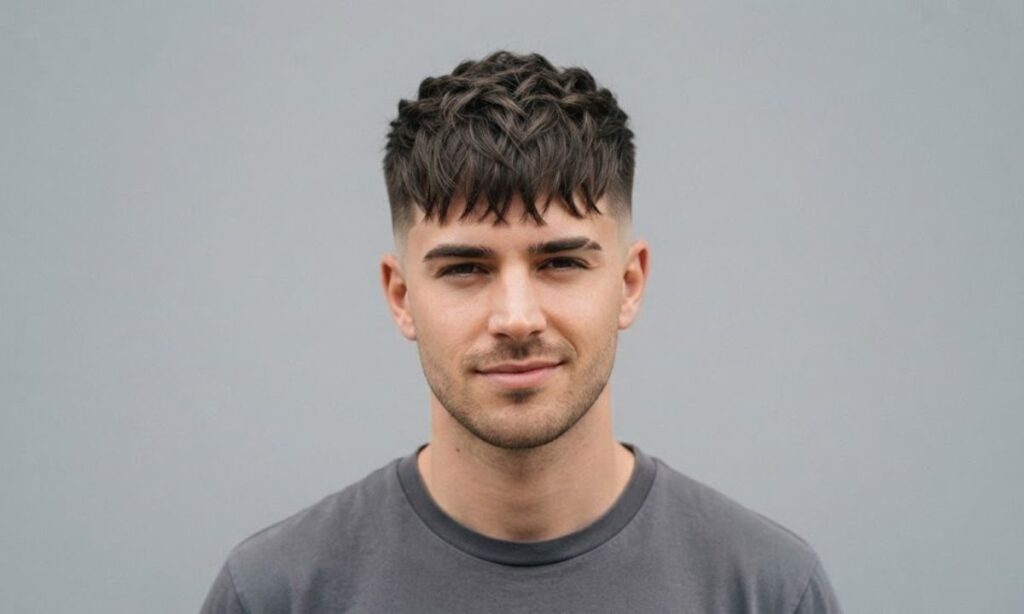
A short fringe is left on top and cut with texturizing shears, while the sides are faded or tapered close. The result is a soft, choppy fringe that sits forward over the forehead instead of being pushed back.
Style Snapshot: A textured, forward fringe paired with clean, short sides.
Perfect Match: Flatters straighter, thicker hair types and rounder or longer face shapes.
What to Ask For: Ask for a French crop with point-cut texture on top and a mid skin fade on the sides.
Styling Level: Moderate — needs a small amount of matte clay worked through damp hair. Care & Styling: Use a texturizing spray before drying to keep the fringe from sitting flat.
Best Tip: Dry the fringe forward with your fingers instead of a brush for a more natural, choppy finish.
5. Caesar Cut
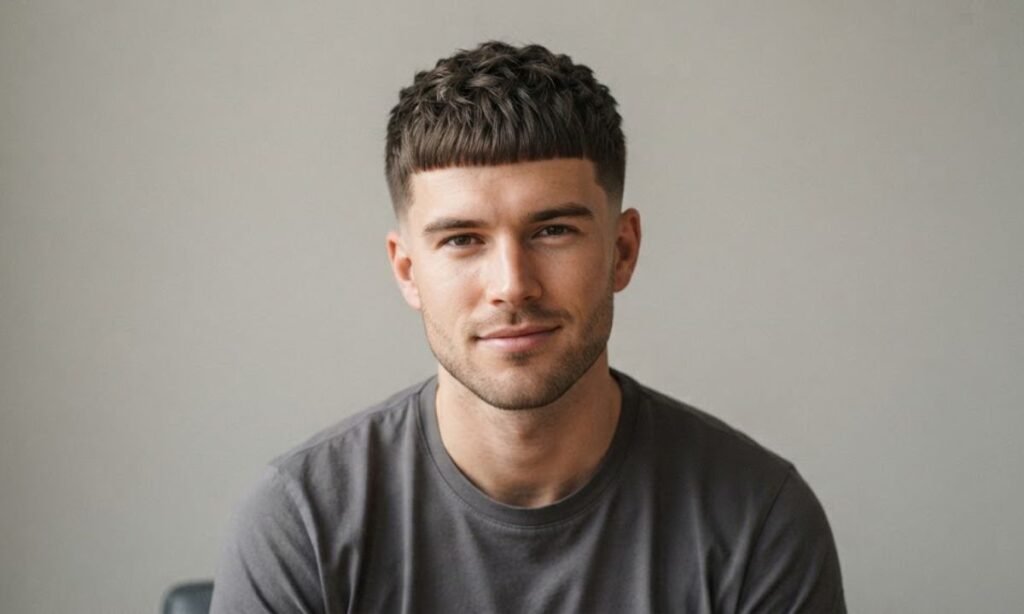
Short, horizontally cut fringe sits straight across the forehead, with the rest of the top left at a uniform short length. Sides are usually tapered or lightly faded, keeping the whole cut low-maintenance and close to the head.
Style Snapshot: A short, forward fringe with a flat, straight-across finish.
Perfect Match: Best suited to men with straighter hair since Straight Hair holds the flat fringe line without curling up.
What to Ask For: Ask for a Caesar fringe cut straight across, one length on top, tapered sides. Styling Level: Easy — a light pomade keeps the fringe controlled without extra shaping.
Care & Styling: Trim the fringe every 2 to 3 weeks so it doesn’t creep down over the eyebrows. Best Tip: Comb the fringe forward while damp so it dries flat instead of lifting at the ends.
6. Edgar Haircut

A blunt, straight fringe is combined with a sharp, geometric hairline and closely faded sides. The top is left slightly longer than a Caesar and often has a defined, almost squared-off edge along the front.
Style Snapshot: A bold, geometric fringe with a sharply defined hairline.
Perfect Match: Popular with younger men and those with thicker, coarser straight hair that holds a blunt edge well.
What to Ask For: Ask for an Edgar cut with a blunt fringe line and a high skin fade on the sides.
Styling Level: Moderate — the fringe needs light styling cream to stay flat and defined.
Care & Styling: Get the hairline and fringe edge refreshed every 10 to 14 days.
Best Tip: Avoid heavy gel on the fringe, since it can make the blunt edge look stiff instead of natural.
7. High and Tight
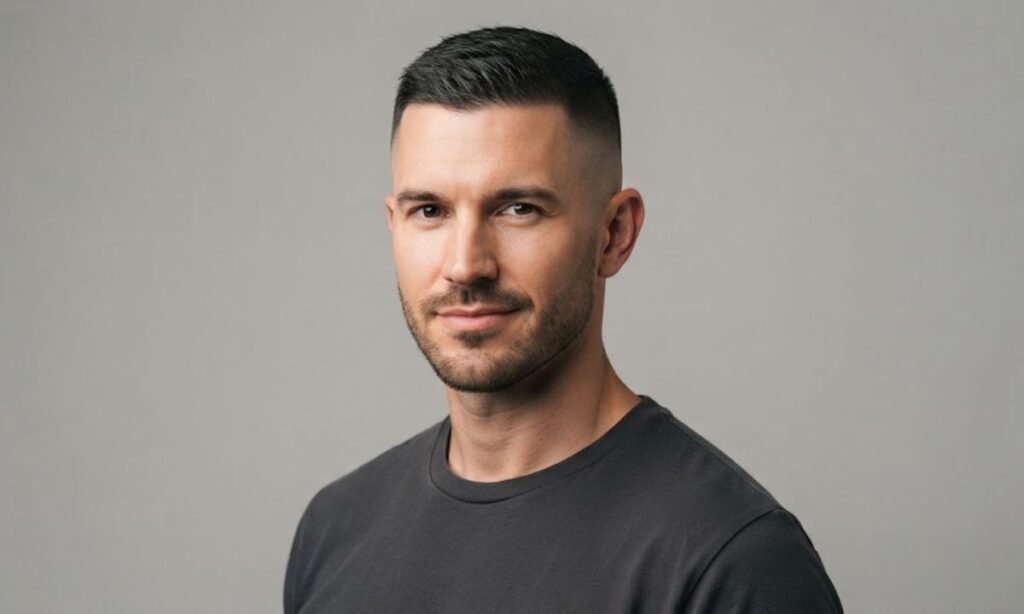
The sides and back are cut extremely short, almost skin-level, while a slightly longer patch is left on top. This creates a sharp contrast between the bare sides and the small amount of length up top, giving a militarily clean look.
Style Snapshot: A very short, high-contrast cut with minimal length on top.
Perfect Match: Suits men who want a low-maintenance, professional look with a bit of edge. What to Ask For: Ask for sides and back skin-short, with the top left at half an inch to an inch. Styling Level: Easy — a small amount of pomade can add texture, but it’s optional.
Care & Styling: Trim every 2 weeks since the short sides grow out visibly fast.
Best Tip: Ask your barber to keep the transition on top slightly rounded rather than a hard line for an easier grow-out.
8. Skin Fade with Textured Top
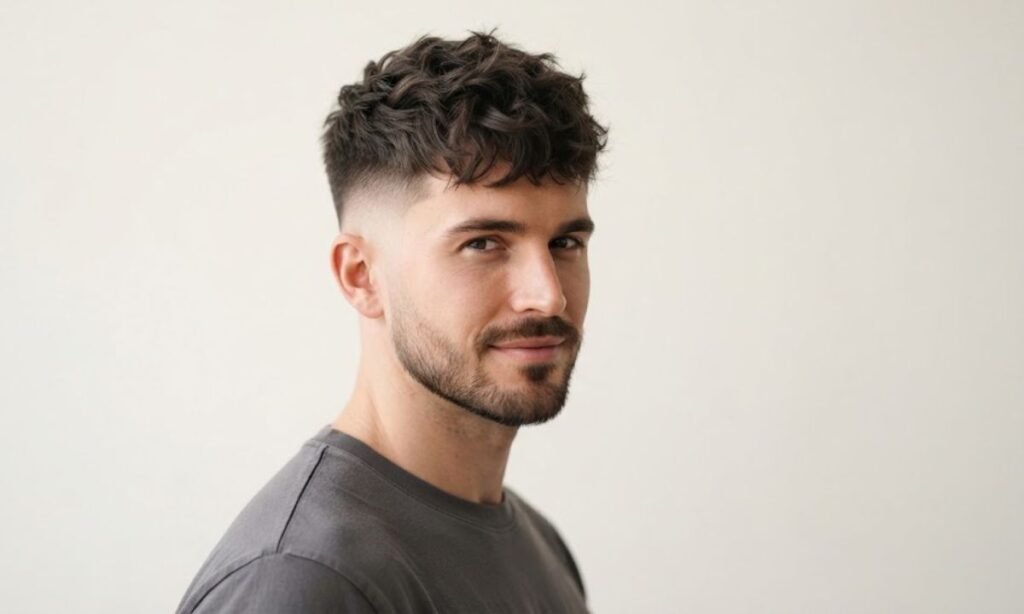
The sides fade down to bare skin near the ear, while the top is cut with scissor-over-comb texturizing for movement. This pairing creates strong contrast, with the eye drawn upward to the textured top instead of the shaved sides.
Style Snapshot: A high-contrast cut combining bare skin sides with a choppy, textured top. Perfect Match: Works well on straighter, medium-density hair that can be styled into separated pieces.
What to Ask For: Ask for a skin fade starting above the ear, with point-cut texture on top for separation.
Styling Level: Moderate — needs a matte styling paste worked through with fingers daily.
Care & Styling: Get the fade refreshed every 2 weeks to keep the sharp line visible.
Best Tip: Use a hairdryer on a low setting while styling to add lift before applying the product.
9. Textured Crop with Hard Part
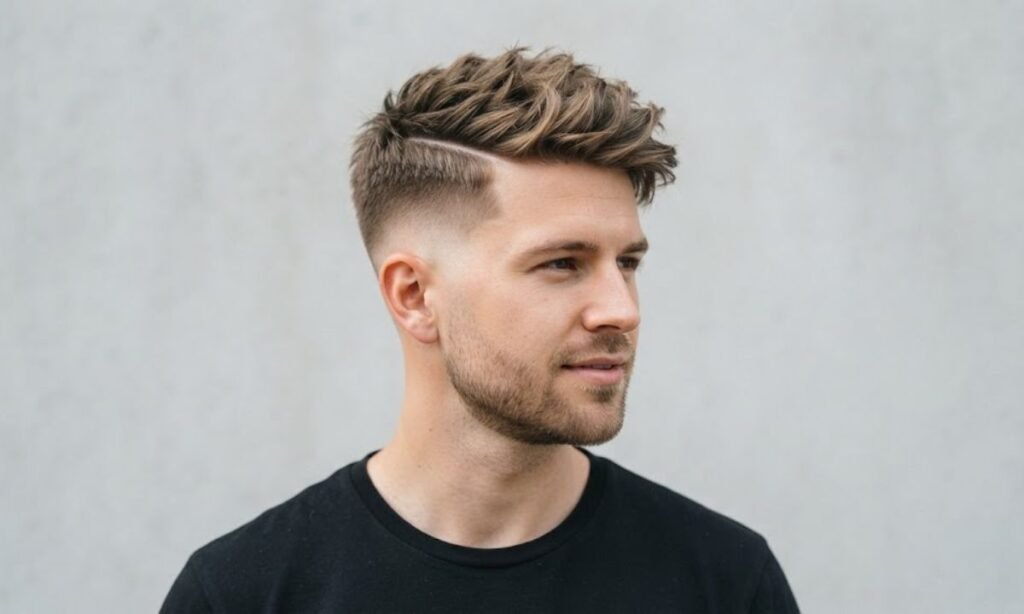
A short crop on top is finished with a hard, razor-shaved part line instead of a natural comb part. The sides are tapered or faded, and the hard part adds a graphic, deliberate detail to an otherwise simple crop.
Style Snapshot: A short, textured crop with a bold, razor-cut parting line.
Perfect Match: Suits men who want a distinct, styled look for work or social settings without much length.
What to Ask For: Ask for a textured crop with a hard part shaved in above the natural parting. Styling Level: Moderate — the part needs to be kept clean and the top needs light paste to hold shape.
Care & Styling: Have the hard part re-shaved every 1 to 2 weeks as it grows out fastest.
Best Tip: Use a fine-tooth comb to re-trace the part line at home between barber visits.
10. Drop Fade with Straight Fringe

The fade line drops lower behind the ear instead of running straight across, curving down toward the nape. On top, a straight, blunt fringe is left long enough to sit just above the eyebrows for contrast against the curved fade.
Style Snapshot: A curved, dropping fade paired with a flat, straight fringe.
Perfect Match: Flatters oval and square face shapes and pairs well with thicker straight hair. What to Ask For: Ask for a drop fade that curves behind the ear, with a blunt fringe left on top. Styling Level: Moderate — the fringe needs a light cream to keep it from splitting apart.
Care & Styling: Book fade touch-ups every 2 weeks and trim the fringe every 3 weeks.
Best Tip: Blow-dry the fringe downward before applying the product so it lies flatter against the forehead.
Medium-Length Hairstyles for Straight Hair (3–5 Inches)
Medium lengths give Straight Hair enough weight to hold a side part, a quiff, or a slick back without extra product just to keep it in place. This range suits men who want more styling options but still want a cut that grows out reasonably well between visits. Straight Hair at this length falls naturally into place, so styling usually takes a comb and a small amount of product rather than heavy tools.
11. Classic Side Part
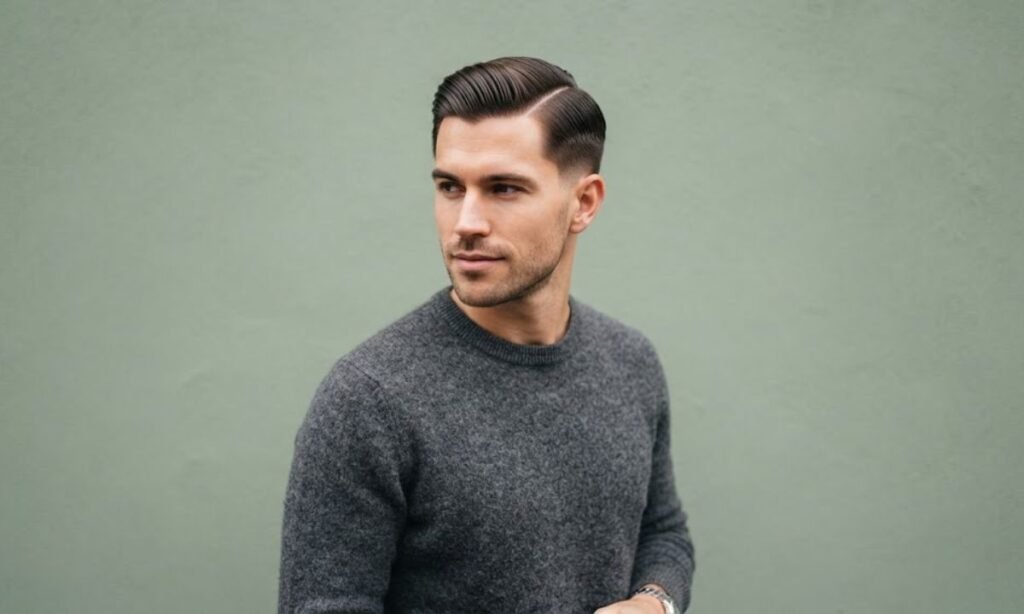
Hair is combed to one side along a defined part line, with the top left long enough to lie flat and controlled. The sides are usually tapered shorter, keeping the whole look tidy and formal rather than voluminous.
Style Snapshot: A neat, combed-over look with a defined side part.
Perfect Match: Suits professional settings and men who prefer a traditional, polished appearance.
What to Ask For: Ask for the top left at 3 to 4 inches with a taper on the sides for a side part. Styling Level: Moderate — needs a comb and light-hold pomade every morning.
Care & Styling: Trim every 4 weeks to keep the part length manageable.
Best Tip: Comb the part while hair is damp, then let it air-dry partway before adding product for better hold.
12. Pompadour

The front and top are swept upward and back, creating height above the forehead, while the sides stay shorter and tighter. Volume is concentrated at the front, tapering down toward the back and sides for a rounded, lifted silhouette.
Style Snapshot: A voluminous, swept-back style with height concentrated at the front.
Perfect Match: Works best on straighter hair with some natural thickness to support the lift. What to Ask For: Ask for extra length at the front and crown, tapered sides, styled with volume. Styling Level: High Maintenance — needs blow-drying with a round brush and strong-hold product daily.
Care & Styling: Use a heat protectant before blow-drying and a strong pomade to lock the shape in place.
Best Tip: Dry hair upside down for a few seconds first to build a natural base of lift before styling.
13. Textured Quaffs
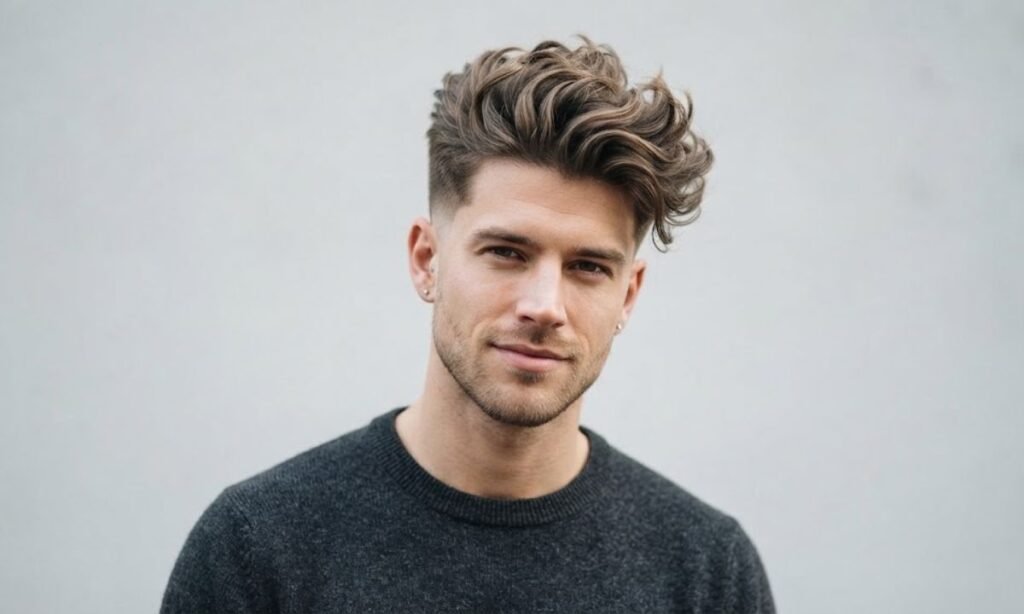
Similar to a pompadour but shorter and messier, with the front pushed up and slightly forward rather than straight back. The texture is choppier and less polished, giving a more relaxed, everyday version of a pompadour.
Style Snapshot: A shorter, messier take on upward volume at the front.
Perfect Match: Suits casual and creative settings better than a formal pompadour.
What to Ask For: Ask for a textured quiff with point-cutting on top and a shorter length than a pompadour.
Styling Level: Moderate — a dab of matte clay worked in by hand is usually enough.
Care & Styling: Scrunch product in with fingers rather than a comb to keep the texture rough. Best Tip: Apply product to slightly damp hair, not fully dry, for a more natural-looking texture.
14. Comb Over with Fade

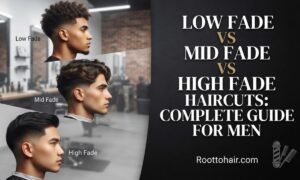
A side part transitions into a low, mid, or high fade on the sides, creating a sharper contrast than a classic side part. The top is combed across and slightly over, giving a modern, structured update to the traditional comb over.
Style Snapshot: A side-parted comb over updated with a visible fade on the sides.
Perfect Match: Good for men who want a formal style with more edge than a plain side part. What to Ask For: Ask for a mid fade with a comb over on top, parted on your natural side. Styling Level: Moderate — needs a comb, blow dryer, and medium-hold pomade.
Care & Styling: Refresh the fade every 2 to 3 weeks so the contrast with the comb over stays sharp.
Best Tip: Dry the top in the direction you want it to sit before combing, not after, for longer-lasting hold.
15. Slick Back
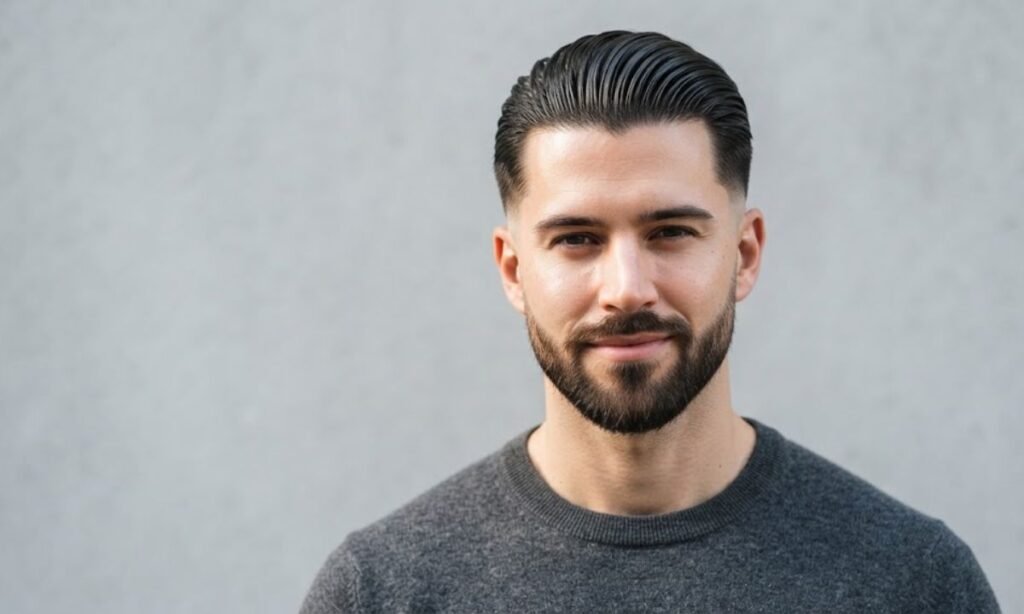
All the hair on top is combed straight back off the face, using a strong-hold product for a sleek, shiny finish. The sides are usually kept shorter or tapered, so the focus stays on the smoothed-back top section.
Style Snapshot: A sleek, all-back style with a glossy or matte smoothed finish.
Perfect Match: Suits thicker straight hair best, since fine hair can look thin when pulled fully back.
What to Ask For: Ask for enough length on top to comb straight back, with tapered or faded sides.
Styling Level: High Maintenance — requires daily combing with a strong-hold gel or pomade. Care & Styling: Comb hair back while damp with product already applied, rather than adding product after drying.
Best Tip: Use a wide-tooth comb first to set direction, then a fine-tooth comb for the final sleek pass.
16. Faux Hawk
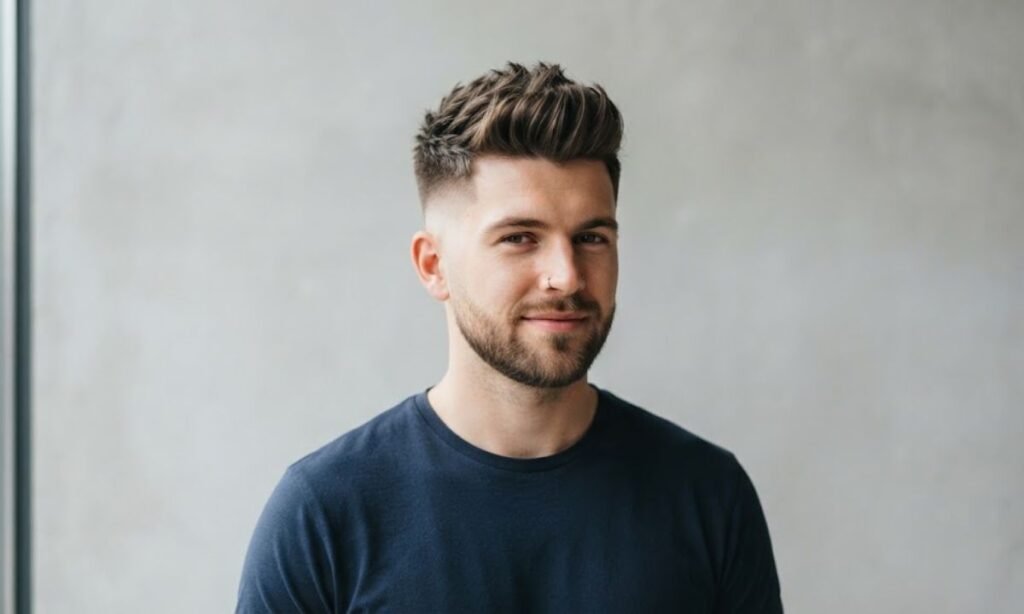
The center section of hair is styled upward into a raised strip, while the sides are cut short or faded down. Unlike a true mohawk, the sides are not shaved bare, just kept noticeably shorter than the raised center strip.
Style Snapshot: A raised center strip with shorter, tapered sides.
Perfect Match: Suits men who want a bolder look for nights out or casual settings rather than formal ones.
What to Ask For: Ask for extra length down the center with a taper or fade on both sides. Styling Level: High Maintenance — needs strong-hold wax and daily shaping to keep the strip upright.
Care & Styling: Apply wax to dry hair in small sections, working from the roots up for lift.
Best Tip: Use a comb to lightly tease the roots before applying wax for extra height that lasts longer.
17. Modern Mullet

Shorter length on top and sides is paired with noticeably longer hair left at the back and nape. The front can be styled in various ways, but the defining feature is the length contrast at the back.
Style Snapshot: A short front and sides with distinctly longer length at the back.
Perfect Match: Suits men who want a retro-inspired, statement style rather than a conventional cut.
What to Ask For: Ask for a taper or fade on the sides, short top, and length left long at the nape and back.
Styling Level: Moderate — the front needs styling, but the back mostly just needs regular brushing.
Care & Styling: Trim the sides every 3 weeks while letting the back grow with only occasional dusting.
Best Tip: Keep the front and back lengths blended so the style reads as intentional rather than uneven.
18. Curtain Bangs (Middle Part)
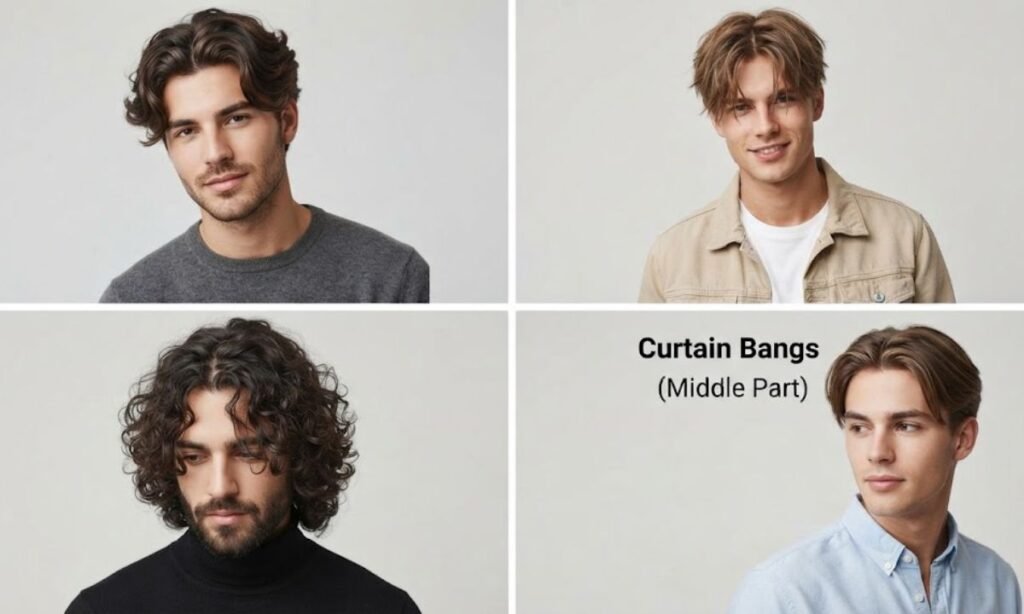
Hair is parted straight down the middle, with the front sections falling forward on either side of the face like curtains. The length usually reaches the cheekbones or jawline, framing the face on both sides evenly.
Style Snapshot: A center-parted style with face-framing length on both sides.
Perfect Match: Flatters square and round face shapes by softening the edges of the jaw and cheeks.
What to Ask For: Ask for a middle part with layers cut around the face, length to the cheekbone or jaw.
Styling Level: Moderate — usually just needs a blow dry with fingers to set the part and curtain shape.
Care & Styling: Trim every 6 weeks to keep the face-framing length from growing past the jaw. Best Tip: Dry hair downward and to the sides rather than back to keep the curtain shape defined.
19. Two Block Cut
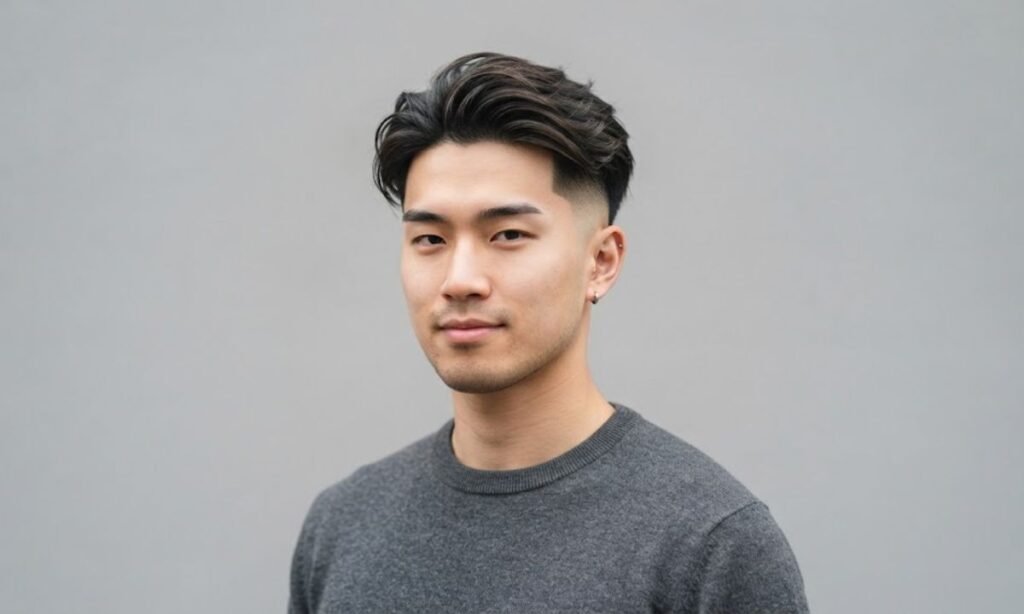
The top is left notably longer and often layered, while the sides and back are cut very short in a sharp contrast. The name comes from the two distinct “blocks” of length, with almost no gradual taper between them.
Style Snapshot: A dramatic length contrast between a longer top and very short sides.
Perfect Match: Popular with straighter, finer hair types since the top can be styled in several directions.
What to Ask For: Ask for an undercut on the sides with minimal blending, and length left on top for styling.
Styling Level: Moderate — top needs a light wax or cream, sides need little to no upkeep.
Care & Styling: Wash and re-style the top daily, and trim the undercut sides every 3 to 4 weeks.
Best Tip: Style the top slightly to one side rather than straight back for a softer, more casual look.
20. Korean Comma Hair

The fringe is cut and styled to curve gently to one side, resembling the shape of a comma across the forehead. The rest of the top is layered to support the curved fringe, with sides usually kept simple and undercut.
Style Snapshot: A soft, curved fringe styled to one side of the forehead.
Perfect Match: Works especially well on Straight Hair, which holds the curved shape without extra curling effort.
What to Ask For: Ask for a layered fringe cut to curve to one side, with an undercut or taper on the sides.
Styling Level: Moderate — needs a light styling cream and a blow dryer with a round brush. Care & Styling: Dry the fringe with a round brush curving it in one direction while still slightly damp.
Best Tip: Apply product to the fringe only, keeping the rest of the top lighter for a more natural finish.
21. Ivy League

A slightly longer, more relaxed version of a crew cut, with enough length on top to comb into a light side part. The sides taper down shorter, similar to a crew cut, but the top offers more styling flexibility.
Style Snapshot: A tidy, slightly longer crew cut with light side-part styling.
Perfect Match: Suits conservative workplaces and men who want easy styling without much length.
What to Ask For: Ask for the top left at around 2 inches, tapered sides, styled with a light side part.
Styling Level: Easy — a small amount of pomade is enough for daily styling.
Care & Styling: Trim every 3 weeks to maintain the length needed for the part to hold.
Best Tip: Comb the part in the same direction daily to train the hair to fall that way naturally.
22. Side-Swept Fringe

The fringe is grown out slightly longer and swept diagonally across the forehead instead of falling straight down. This creates a soft, angled line across the front, often paired with shorter or medium-length sides.
Style Snapshot: A diagonal, swept fringe across the forehead.
Perfect Match: Softens angular face shapes and works well with straighter hair that holds a diagonal line.
What to Ask For: Ask for a longer fringe cut with a diagonal sweep, and a taper on the sides. Styling Level: Moderate — needs a comb and light cream to set the sweep direction.
Care & Styling: Trim only the ends every few weeks to maintain length while keeping the sweep clean.
Best Tip: Blow-dry the fringe in the direction you want it to sit, using a comb to guide the angle.
23. Burst Fade with Textured Top

The fade curves around the ear only, “bursting” outward instead of running in a straight line across the head. The top is left with choppy texture, creating movement that contrasts with the tightly curved fade beneath it.
Style Snapshot: A curved, ear-hugging fade with a choppy, textured top.
Perfect Match: Suits men who want a fade with a softer, rounder shape rather than a hard straight line.
What to Ask For: Ask for a burst fade that curves only around the ear, with point-cut texture on top.
Styling Level: Moderate — needs matte paste worked through by hand for separation.
Care & Styling: Get the burst shape refreshed every 2 weeks since curved lines grow out unevenly.
Best Tip: Apply product starting at the crown and work outward to avoid flattening the top’s texture.
24. Temple Fade

The fade is concentrated tightly around the temple area, tapering closely there while staying longer elsewhere on the sides. This creates a subtle, localized effect rather than a fade running across the whole side of the head.
Style Snapshot: A subtle fade focused specifically around the temples.
Perfect Match: Suits men who want a fade without the sides looking dramatically shorter overall.
What to Ask For: Ask for a temple fade, tapering closely at the temples while blending gradually elsewhere.
Styling Level: Moderate — the top needs styling, but the fade itself is low maintenance once cut.
Care & Styling: Book touch-ups every 3 weeks since the temple area grows out more visibly than the rest.
Best Tip: Pair this fade with a side part on top so the eye is drawn to both details evenly.
25. Disconnected Undercut

The top is left long with no gradual blending into the sides, which are cut very short or shaved for a hard visual break. This creates a sharp contrast between two distinct lengths, similar to a two block cut but often with more length on top.
Style Snapshot: A long top with an abrupt, unblended transition to short sides.
Perfect Match: Suits men who want a bold, graphic look and have enough top length to style separately.
What to Ask For: Ask for a disconnected undercut with no fade blending between the top and sides.
Styling Level: Moderate — the top needs daily styling with cream or wax, sides need little upkeep.
Care & Styling: Trim the undercut portion every 3 to 4 weeks while trimming the top less frequently.
Best Tip: Keep the disconnection intentional and crisp by asking your barber to avoid any blending at the join.
Long Hairstyles for Straight Hair (5+ Inches)
Long Straight Hair carries its own weight well, which makes it easier to pull back, tie up, or leave loose without much frizz. These styles need patience while growing out, along with more frequent conditioning to stop the ends from looking thin or brittle. Straight Hair at this length shows shine and movement clearly, so healthy ends matter more here than at any shorter length.
26. Bro Flow

Hair is grown out all over and swept straight back off the face, with no part and minimal layering throughout. The look relies on natural length and a bit of product to keep the flow smooth rather than sticking out at odd angles.
Style Snapshot: A grown-out, swept-back style with a natural, all-back flow.
Perfect Match: Suits athletic and outdoor lifestyles where hair needs to stay out of the face easily.
What to Ask For: Ask for an all-over grow-out with minimal layering, just a light shape around the ears and neck.
Styling Level: Easy — usually just needs a quick comb-back or a headband while training or working out.
Care & Styling: Condition regularly to stop the length from drying out or splitting at the ends. Best Tip: Use a light sea-salt spray on damp hair for texture that helps it stay swept back longer.
27. Man Bun
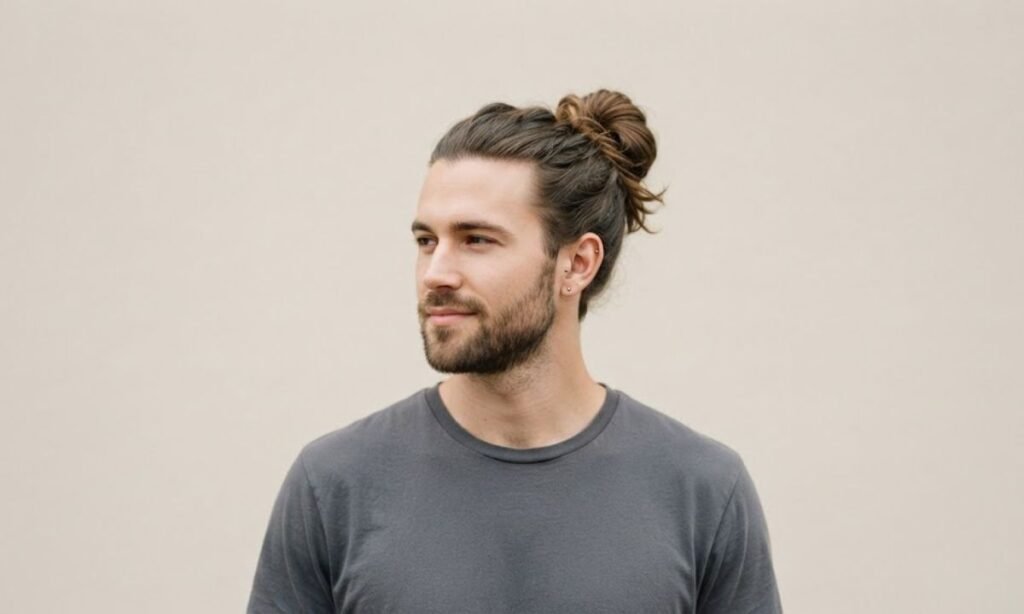
Hair is gathered at the crown or back of the head and tied into a small knot or bun using a hair tie. Length requirements vary, but most men need hair past the shoulders for the bun to hold without slipping.
Style Snapshot: A gathered, knotted style at the back or crown of the head.
Perfect Match: Practical for work, gym sessions, or hot weather when hair needs to be off the neck.
What to Ask For: This is a styling choice rather than a cut, though light layers around the crown can help the bun sit neatly.
Styling Level: Easy — takes under a minute once hair is long enough to gather.
Care & Styling: Use a soft, fabric-covered hair tie to avoid breakage at the gathering point. Best Tip: Tie the bun slightly looser at the front to avoid pulling tension on the hairline over time.
28. Shoulder-Length Flow

Hair is grown to shoulder length and left loose, sometimes with subtle layers added to reduce bulk at the ends. It can be worn straight down, tucked behind the ears, or pushed back with fingers depending on the day.
Style Snapshot: A loose, shoulder-length style with a natural, flowing finish.
Perfect Match: Suits men who want length without committing to tying it up daily.
What to Ask For: Ask for a blunt or lightly layered cut at shoulder length, trimmed just enough to remove split ends.
Styling Level: Moderate — needs regular brushing and occasional leave-in conditioner to manage the length.
Care & Styling: Trim the ends every 8 to 10 weeks to keep the length looking healthy rather than ragged.
Best Tip: Use a wide-tooth comb on wet hair to prevent snapping strands while detangling.
29. Half-Up, Half-Down Bun
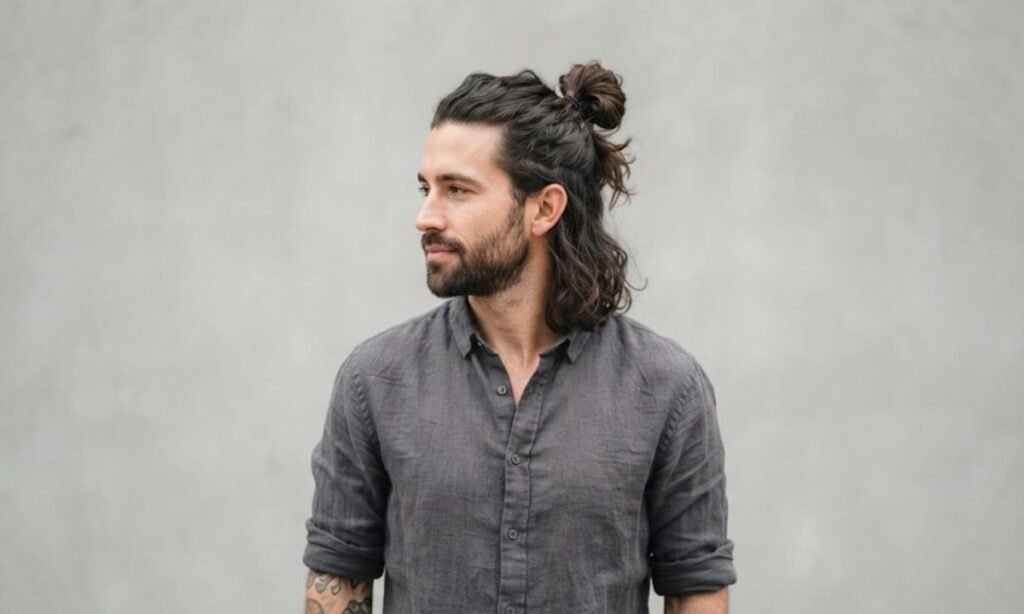
The top and crown sections are gathered and tied into a small bun, while the sides and back are left loose. This splits the style between practical and relaxed, keeping hair off the face without pulling all of it back.
Style Snapshot: A partial bun at the crown with the rest of the hair left loose.
Perfect Match: Works well for long hair that isn’t quite ready for a full bun, or for a more casual everyday look.
What to Ask For: No specific cut is required, though face-framing layers can help the loose sections sit better.
Styling Level: Easy — takes a couple of minutes to gather and tie the top section.
Care & Styling: Section the hair cleanly before tying so the bun sits centered rather than off to one side.
Best Tip: Backcomb the top section slightly before tying for a bun with more volume and hold.
30. Long Slick Back
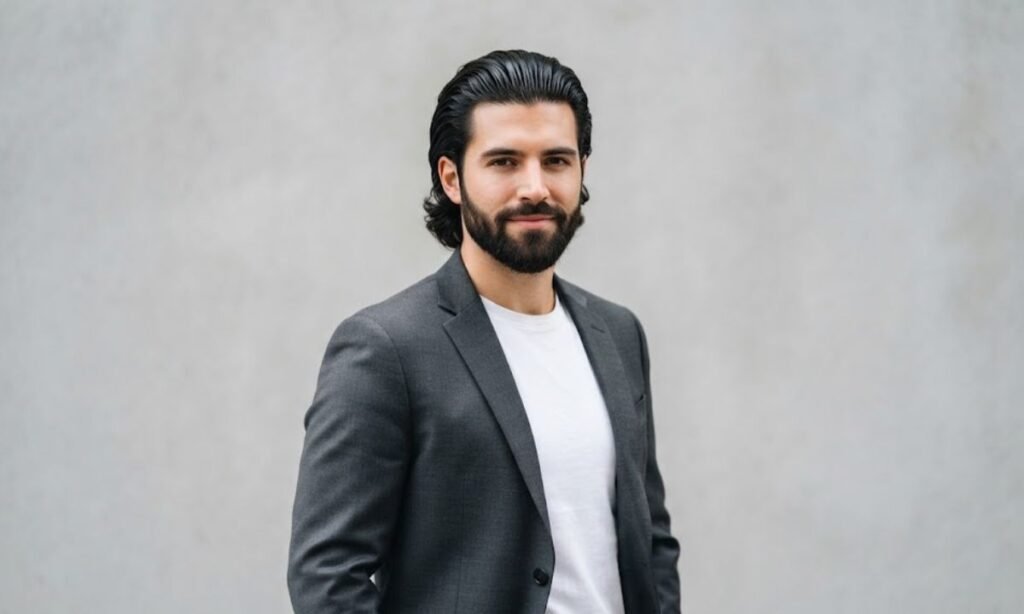
All of the long length is combed straight back off the face using a strong-hold, high-shine product. Unlike a shorter slick back, this version relies entirely on length and product rather than any taper underneath.
Style Snapshot: A long, fully slicked-back style with a glossy, controlled finish.
Perfect Match: Suits thicker, longer straight hair that holds a smooth line without flyaways. What to Ask For: A blunt trim to remove split ends is usually enough, since the length itself stays uncut.
Styling Level: High Maintenance — needs daily combing with a strong gel or pomade for the full length.
Care & Styling: Apply product to soaking wet hair first, then comb back before it starts to dry. Best Tip: Use a boar-bristle brush after combing to distribute shine evenly across the full length.
Trending Cuts for 2026–2027
Current trends lean toward natural texture and softer edges rather than the harshly blended fades popular a few years ago. Straight Hair fits many of these trends well, since a flatter texture shows off sharp layering and clean fringe lines clearly. This section covers the newer cuts gaining popularity, blending classic barbering with a more relaxed, textured finish.
31. Warrior Cut

Hair is left long on top with heavy layering and a fringe cut into piece-y, textured sections at the front. The sides are usually shorter or faded, creating a rugged, slightly wild look inspired by historical warrior styles.
Style Snapshot: A long, heavily layered top with a rugged, piece-y fringe.
Perfect Match: Suits men who want a distinctive, statement style with visible texture throughout.
What to Ask For: Ask for heavy layering on top with a textured fringe, tapered or faded sides. Styling Level: Moderate — needs a texturizing spray and finger-styling rather than a comb. Care & Styling: Trim every 6 weeks to keep the layers from growing out shapeless.
Best Tip: Scrunch a sea-salt spray into damp hair before air-drying for a rougher, more textured finish.
32. Textured Flow Fade

A mid-length, textured top with natural movement is paired with a tight fade on the sides for contrast. The top is cut with point-cutting techniques to create separated, choppy pieces rather than a smooth, uniform surface.
Style Snapshot: A choppy, medium-length top paired with a tight, clean fade.
Perfect Match: Suits men who want texture on top without losing the sharp definition a fade provides.
What to Ask For: Ask for a mid fade with heavily textured, point-cut layers left on top.
Styling Level: Moderate — needs a matte clay or paste worked through with fingers.
Care & Styling: Refresh the fade every 2 to 3 weeks while trimming the top less often.
Best Tip: Dry the top with your fingers pushing hair upward, rather than flat, to keep the texture visible.
33. Messy Straight Fringe

A longer, straight-cut fringe is deliberately left unstyled or lightly tousled rather than combed into place. The rest of the top is layered to support the messy fringe, with sides kept simple to balance the relaxed top.
Style Snapshot: A relaxed, slightly undone fringe with a straight base cut.
Perfect Match: Suits Straight Hair particularly well, since the natural flatness reads as effortless rather than untidy.
What to Ask For: Ask for a straight-cut fringe with layers underneath, left long enough to fall over the forehead.
Styling Level: Easy — usually just needs a quick towel-dry and finger-tousle, no comb required.
Care & Styling: Trim the fringe every 3 to 4 weeks so it doesn’t grow past the eyebrows.
Best Tip: Use a small amount of texturizing powder rather than gel to keep the messy look from turning greasy.
34. Shag with Layers
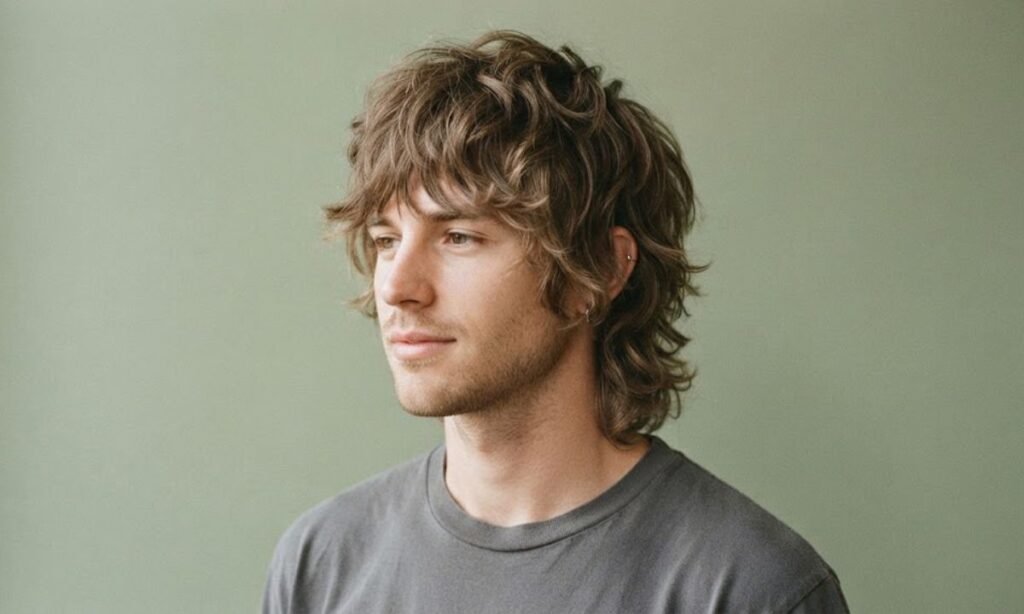
Heavy layering runs throughout the top and sides, creating a choppy, retro-inspired silhouette with lots of movement. The fringe usually blends into the layers rather than being cut as a separate, distinct section.
Style Snapshot: A heavily layered, retro-inspired cut with movement throughout.
Perfect Match: Works especially well on medium to long straight hair with enough length to show the layering.
What to Ask For: Ask for a shag cut with heavy layering throughout and a blended, textured fringe.
Styling Level: Moderate — needs a texturizing spray and a diffuser or air-drying for volume. Care & Styling: Trim every 6 to 8 weeks to keep the layers defined instead of growing into one flat length.
Best Tip: Avoid brushing this style once dry, since brushing flattens the layered texture the cut relies on.
35. Asymmetrical Fringe

The fringe is cut at an intentional angle, longer on one side than the other, rather than falling evenly across the forehead. This creates a more editorial, deliberate look compared to a standard straight-across or side-swept fringe.
Style Snapshot: An angled, uneven fringe cut longer on one side.
Perfect Match: Suits men who want a fashion-forward style and are comfortable with a bit of visual asymmetry.
What to Ask For: Ask for an asymmetrical fringe, cut at a diagonal angle from one side to the other.
Styling Level: Moderate — needs styling cream and careful combing to maintain the exact angle.
Care & Styling: Have the angle re-cut every 4 weeks, since uneven growth can blur the intended shape.
Best Tip: Style the fringe in front of a mirror using the reflection to check the angle stays consistent daily.
36. Tapered Straight Hair with Natural Texture

The sides are tapered gradually rather than faded sharply, and the top is left to fall in its natural, straight state. This creates a softer, more understated look that relies on the hair’s own texture instead of heavy styling.
Style Snapshot: A soft, gradually tapered cut left in its natural straight state.
Perfect Match: Suits men who prefer a low-key, natural look over sharp fades or heavy product use.
What to Ask For: Ask for a soft taper on the sides with no fade line, and minimal thinning on top.
Styling Level: Easy — often needs no product at all beyond a quick towel-dry.
Care & Styling: Trim every 4 to 5 weeks to maintain the soft taper without it growing shapeless.
Best Tip: Let hair air-dry fully before deciding if you need a product, since Straight Hair often looks fine without it.
37. Low Taper with Brushed-Up Top
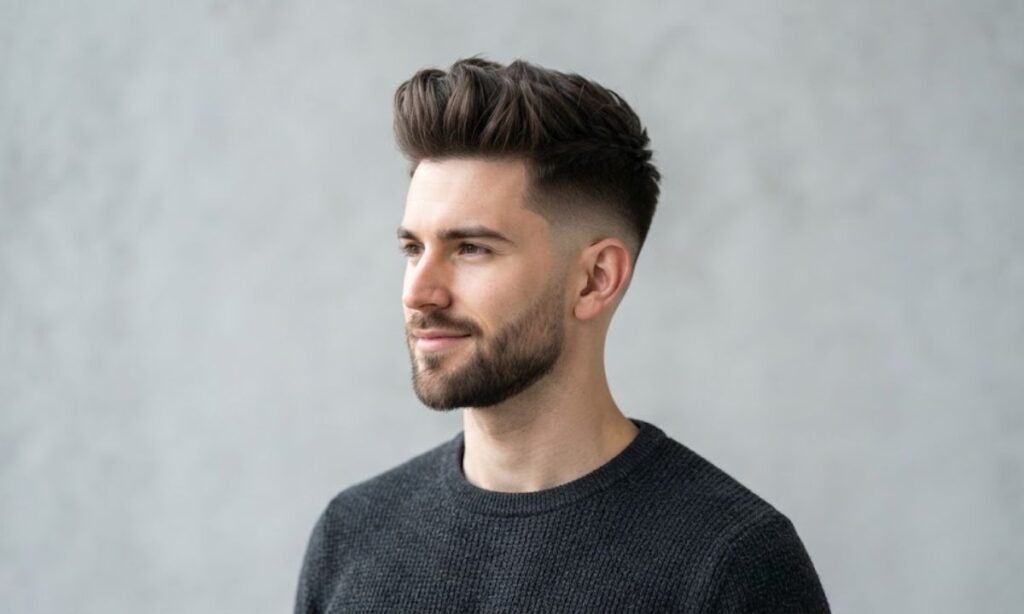
The sides taper gradually and stay close to the head near the bottom, while the top is brushed straight upward for height. This pairing keeps the sides understated while the top does the visual work through volume rather than length.
Style Snapshot: A subtle, low taper paired with a brushed-up, voluminous top.
Perfect Match: Suits professional settings where a dramatic fade might feel too casual.
What to Ask For: Ask for a low taper on the sides and enough length on top to brush upward with a blow dryer.
Styling Level: Moderate — needs a round brush, blow dryer, and medium-hold product daily. Care & Styling: Brush the top upward while blow-drying on a medium heat setting for lasting lift.
Best Tip: Apply a volumizing mousse to roots before drying for height that holds through the day.
38. Straight Hair with Choppy Layers

Layers are cut throughout the length at varying angles, breaking up the uniform look that Straight Hair often has when left one length. The choppiness adds visual texture without requiring a curl or wave pattern to create movement.
Style Snapshot: A layered cut designed to add texture to naturally flat, straight strands.
Perfect Match: Best for men whose Straight Hair looks too flat or heavy at one uniform length. What to Ask For: Ask for choppy layers cut throughout, with shorter pieces near the crown for lift.
Styling Level: Moderate — needs a texturizing paste to separate the layered pieces.
Care & Styling: Trim every 6 weeks to keep the layers distinct instead of blending back into one length.
Best Tip: Apply product to the mid-lengths and ends only, avoiding the roots, to keep separation without greasiness.
39. Mid Fade with Long Textured Bangs

A clean mid fade runs along the sides, while the top is left considerably longer and cut with heavy texture at the front. The bangs are long enough to sweep across the forehead, contrasting sharply with the tightly faded sides beneath.
Style Snapshot: A dramatic length contrast between long, textured bangs and a clean mid fade.
Perfect Match: Suits men who want a bold, modern silhouette with strong visual contrast.
What to Ask For: Ask for a mid fade on the sides with long, texturized bangs left on top. Styling Level: High Maintenance — the long bangs need daily blow-drying and styling cream to sit correctly.
Care & Styling: Dry the bangs forward and downward while brushing to keep them from splitting apart.
Best Tip: Use a flat paddle brush while blow-drying to keep the bangs smooth rather than frizzy.
40. Classic Taper with Side-Swept Top

A traditional taper on the sides is paired with a slightly longer top, combed or swept to one side in a relaxed sweep. This is one of the more versatile, timeless combinations, suiting both casual and formal settings equally well.
Style Snapshot: A timeless, versatile cut combining a classic taper with a softly swept top. Perfect Match: Suits nearly all face shapes and works for both everyday wear and formal occasions.
What to Ask For: Ask for a classic taper on the sides with the top left long enough to sweep to one side.
Styling Level: Easy — a small amount of pomade and a quick comb is usually all it needs. Care & Styling: Trim every 4 weeks to keep the taper and top length balanced.
Best Tip: Comb the top while damp in the direction you want it swept, then let it air-dry to set naturally.
Best haircut for straight hair male
There is no single best cut for every man, but shorter, textured styles tend to be the most forgiving for straighter hair overall. Straight Hair holds clean lines well, so cuts with a defined fringe, fade, or taper usually look sharper for longer than loose, undefined shapes. Thicker straight hair can handle more volume-based styles, while finer straight hair usually looks best kept shorter and simpler.
Straight hair haircuts male
Straight hair takes a fade or taper cleanly, since there’s no curl pattern to blur the line between lengths. This makes styles like the Caesar cut, Edgar haircut, and classic side part especially well suited to straighter textures. Men with Straight Hair also tend to see products hold longer, since there’s less natural volume fighting against it.
Messy Haircuts for Guys With straight hair
Messy styles rely on layering and texturizing rather than natural curl to create movement in Straight Hair. Without added layers, straight strands tend to fall flat instead of separating into the tousled look these cuts aim for. A texturizing spray or light clay is usually necessary to hold the messy shape through the day.
The 5-Minute Morning Styling Routine
Start with slightly damp hair, since fully dry Straight Hair is harder to reshape once it has set overnight. Apply a small, coin-sized amount of product, working it through with fingers before reaching for a comb or brush. Finish by directing hair into its final shape, whether that’s back, forward, or to one side, while it’s still slightly pliable.
Product Guide: What to Use and Why
Pomade gives strong hold and shine, making it ideal for slick backs, side parts, and combed-over styles. Matte clay or paste offers a textured, non-shiny finish, better suited to crops, quiffs, and disconnected styles. Texturizing spray adds grip and volume without heavy hold, useful for messy fringes and naturally styled shorter cuts.
Maintenance: How Often to Cut, Wash, and Restyle
Short, faded styles need a trim every 2 to 3 weeks to keep the contrast between lengths looking sharp. Medium and long styles can usually stretch to 6 to 8 weeks between trims, focusing mainly on the ends. Washing every 2 to 3 days keeps natural oils in place without letting Straight Hair look weighed down or greasy.
Common Mistakes That Ruin Straight Hair Style
Using too much product is one of the most common mistakes, since Straight Hair weighs down and looks greasy quickly. Skipping regular trims lets fades and fringes grow out unevenly, blurring the clean lines these cuts depend on. Applying product to fully dry hair rather than damp hair often leads to patchy, uneven hold throughout the day.
Frequently Asked Questions
How do I know if a haircut will suit my straight hair?
Look at your hair’s density and your face shape first, since thicker hair supports volume-based cuts while finer hair usually looks better short. A quick chat with your barber about your hair’s texture will confirm what will hold shape well.
What haircut makes straight hair look thicker?
Layered or textured cuts, like a shag or a textured crop, add the appearance of volume by breaking up one flat, uniform length. A skin fade also helps, since it draws attention upward toward the fuller top section.
Do I need special products for straight hair?
Not necessarily, but lighter products like clay or texturizing spray usually work better than heavy oils, which can make Straight Hair look flat. Start with a small amount and add more only if needed.
How often should I get my hair cut if it’s straight?
Short, faded, or tapered styles need a trim every 2 to 3 weeks, while longer or looser styles can go 6 to 8 weeks between cuts. Regular trims keep the lines of any straight-hair cut looking sharp.
Can straight hair hold a curly or wavy style?
Straight hair can be temporarily curled with heat tools, but the curl won’t last as long as it would on naturally wavy or curly hair. For daily wear, styles built around straightness tend to hold up better with less effort.
Can I switch between two different hairstyles without getting a new cut?
Yes, if your straight hair is left at a versatile length, you can switch between a slicked-back look and a side part just by changing how you style it. The key is asking your barber to keep enough length on top so both options stay workable between cuts.
How do I grow out a short haircut without looking awkward?
The awkward stage is easiest to manage with straight hair if you get a trim every three to four weeks to keep the shape controlled while the length builds. A light pomade or clay also helps keep growing-out strands from sticking out at odd angles.
Does sleeping on straight hair damage the style for the next day?
Sleeping on straight hair usually just flattens or creases it rather than damaging it, and a quick rinse or reapplication of product in the morning fixes it. Using a silk or satin pillowcase reduces overnight friction and helps the style hold longer.
Should I show my barber a photo or describe the cut in words?
A photo is always more reliable than a description, since terms like “taper” or “medium length” can mean different things to different barbers. Bring a clear reference photo and point out the exact areas you want matched, especially around the sides and fringe.
Why does my straight hair look good after the barber but not when I style it at home?
Barbers use professional-grade tools, precise blow-drying techniques, and finishing products that most people don’t replicate at home. Investing in a quality round brush and a heat protectant spray closes most of that gap.
What is the difference between a taper and a fade?
A taper gradually shortens the hair at the sides and back without ever going down to the skin, while a fade blends the hair all the way down to skin level for a sharper contrast. Straight hair usually holds both styles well, but a taper tends to look softer and lower-maintenance.
Conclusion
This list covers forty ways to wear Straight Hair, from a five-minute buzz cut to a fully styled, high-maintenance pompadour. Shorter cuts suit low-effort mornings and warmer weather, while medium and long styles offer more room to experiment with parts, texture, and volume. Face shape, hair density, and how much time you’re willing to spend each morning should guide which of these styles you try first. Whichever direction you choose, a good barber and the right products will make Straight Hair easier to manage than most people expect.
Trends for 2026 and 2027 lean toward natural texture and softer lines, but the classics like a crew cut or a side part remain reliable choices. Regular trims matter more for straighter textures than people often realize, since flat hair shows uneven growth faster than curlier types. Pairing the right cut with the right products, from matte clay to strong-hold pomade, makes the difference between a style that lasts and one that falls flat by noon. Take your face shape and daily routine into account, pick a style from this list, and bring the details straight to your next barber appointment.



















2 thoughts on “40 Best Trending Hairstyles for Men with Straight Hair”